Women in Veterinary Medicine
It’s better now. Women have made tremendous strides in the veterinary profession, and, in fact, there are now more women in practice than men. Things had improved from the days when veterinary classes had just one or two women. By the mid-80’s, veterinary school admissions were nearly equal among men and women. Today, more than 80% of veterinary school graduates are women. Women are thriving not only in clinical veterinary work but also in leadership roles. It wasn’t until 1998 that a veterinary school had a woman dean; today, there are many.
In 1947, Dr. Mary Knight Dunlap wanted to support and share experiences with other women in the field. She founded the Women’s Veterinary Association by writing to all 37 women members of the American Veterinary Medicine Association. It’s hard to believe there were so few women veterinarians only eighty years ago. One woman who applied to an east coast veterinary school in 1968 said “After fifty-eight men had been selected, four women were summoned to the interview room. We were told, ‘Two of you we will accept and two we will reject,’ and one at a time we were called out for an interview.” She made it, and years later became a mentor of mine.
The change came in 1972, Title IX, a federal civil rights law, was passed, which prohibited discrimination based on sex in any education program receiving federal funding. Back then, veterinary schools admitted no more than one or two women in each class, and this admissions policy now violated Title IX. Suddenly, women applicants were considered more favorably. Women wanted to be veterinarians—now they had a good chance of joining the profession.
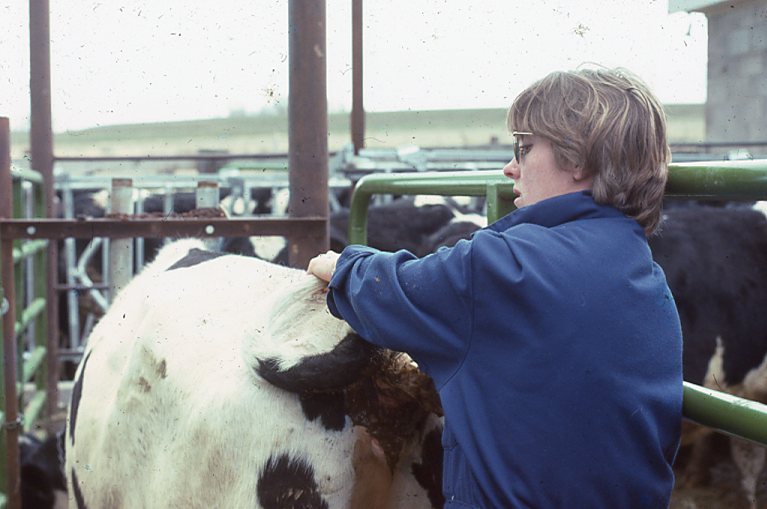
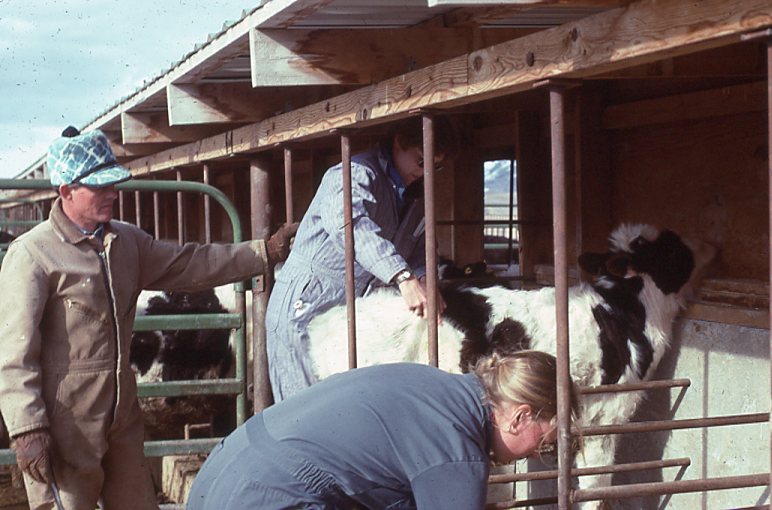
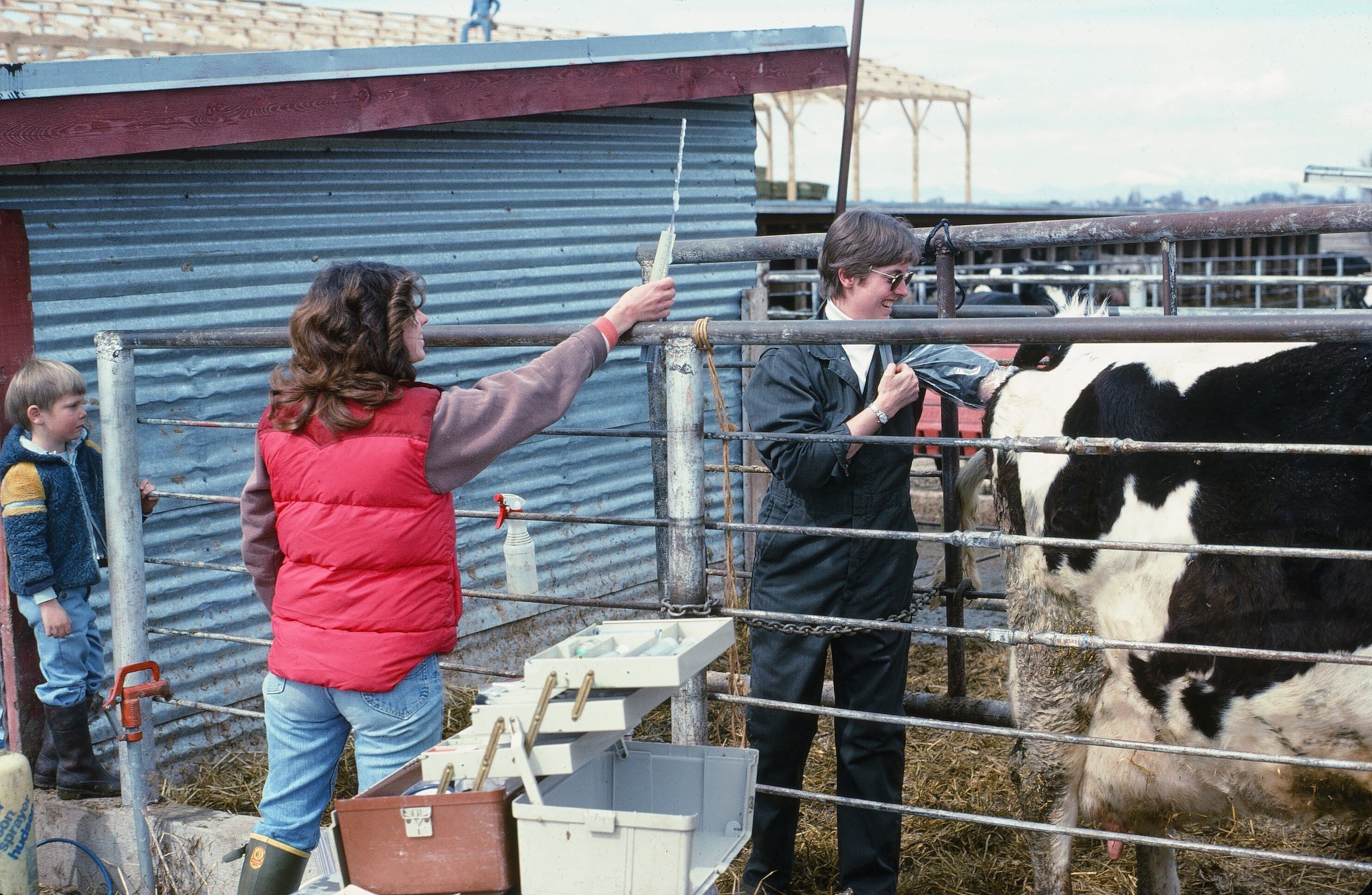
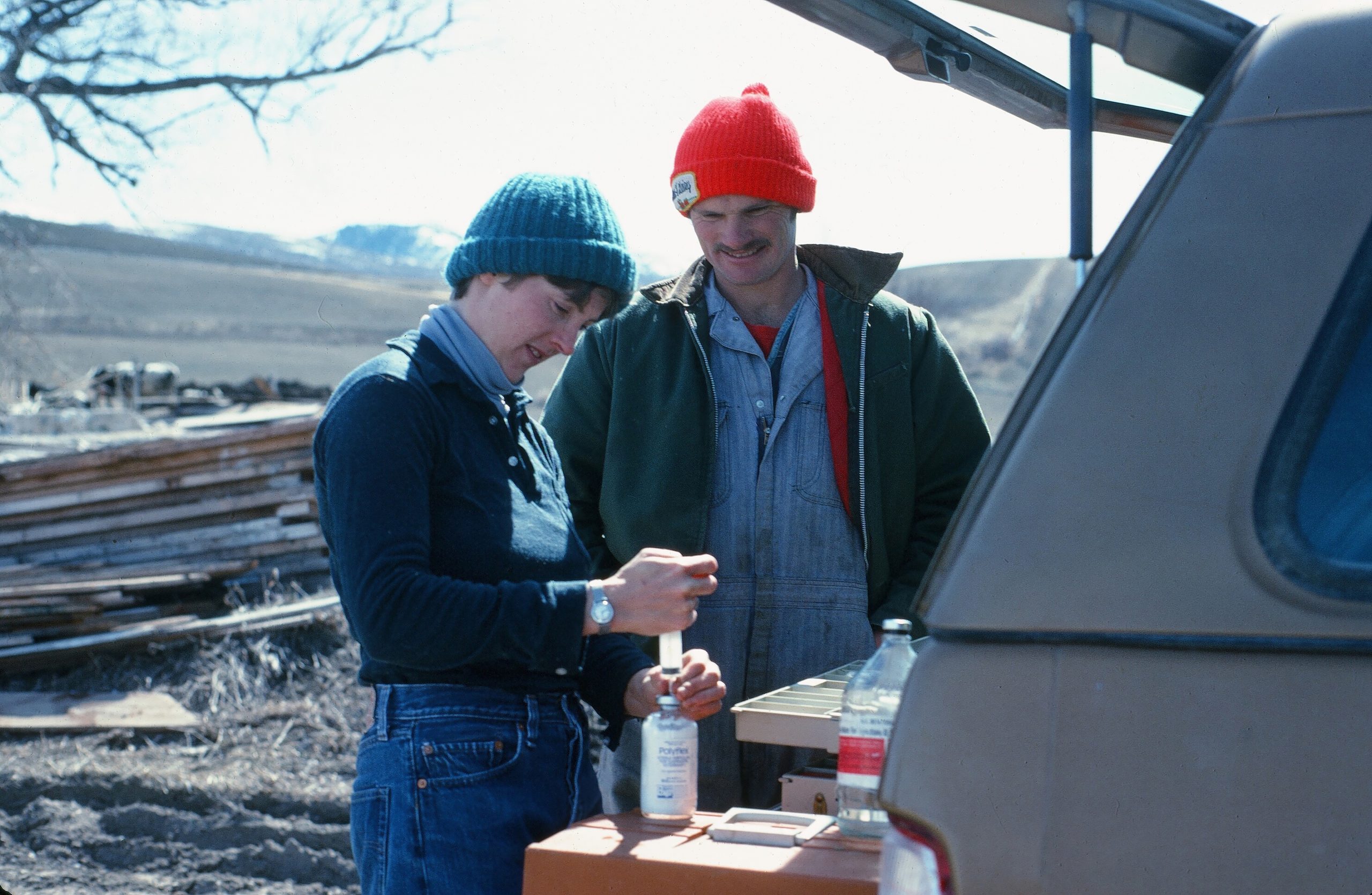
Many women are now in large animal practice, and no one is surprised to see a woman veterinarian driving up and hopping out of the truck for a farm call. I like to think I had some role in that transformation. Yet I still hear heartbreaking stories from women who are large animal practitioners—stories of frustration about being paid less than men, lack of accommodation for pregnancies and family, skepticism from dairymen and even other veterinarians. There is a persistent gender pay gap in the profession. We still have a way to go for women to be treated as equals.